The phrase “Switching 2nd” might sound simple, but it carries a much deeper meaning across multiple areas — from driving and sports to business, technology, and personal growth. In every field, switching to a “second mode” represents adaptability, precision, and progress.
In this guide, we’ll explore what Switching 2nd really means, why it’s so important, and how learning this principle can help you adjust your schedule, boost performance, and make smarter decisions in daily life.
What Does “Switching 2nd” Mean?
In simple terms, Switching 2nd refers to moving from one phase or plan to the next stage — often after completing the first step or encountering a challenge. It’s the ability to transition smoothly without losing momentum.
Here are some examples to help you understand it clearly:
| Context | Meaning of Switching 2nd | Example in Action |
|---|---|---|
| Driving | Shifting from 1st to 2nd gear for better speed and control | Smoothly switching gears while accelerating |
| Sports | Moving into a secondary position or strategy | A basketball player shifting to defense after offense |
| Business | Adapting to Plan B when Plan A fails | A company changing its marketing campaign mid-launch |
In short, switching 2nd means adjusting your approach when conditions change, ensuring smoother results and continuous improvement.
Switching 2nd in Driving: Timing Is Everything
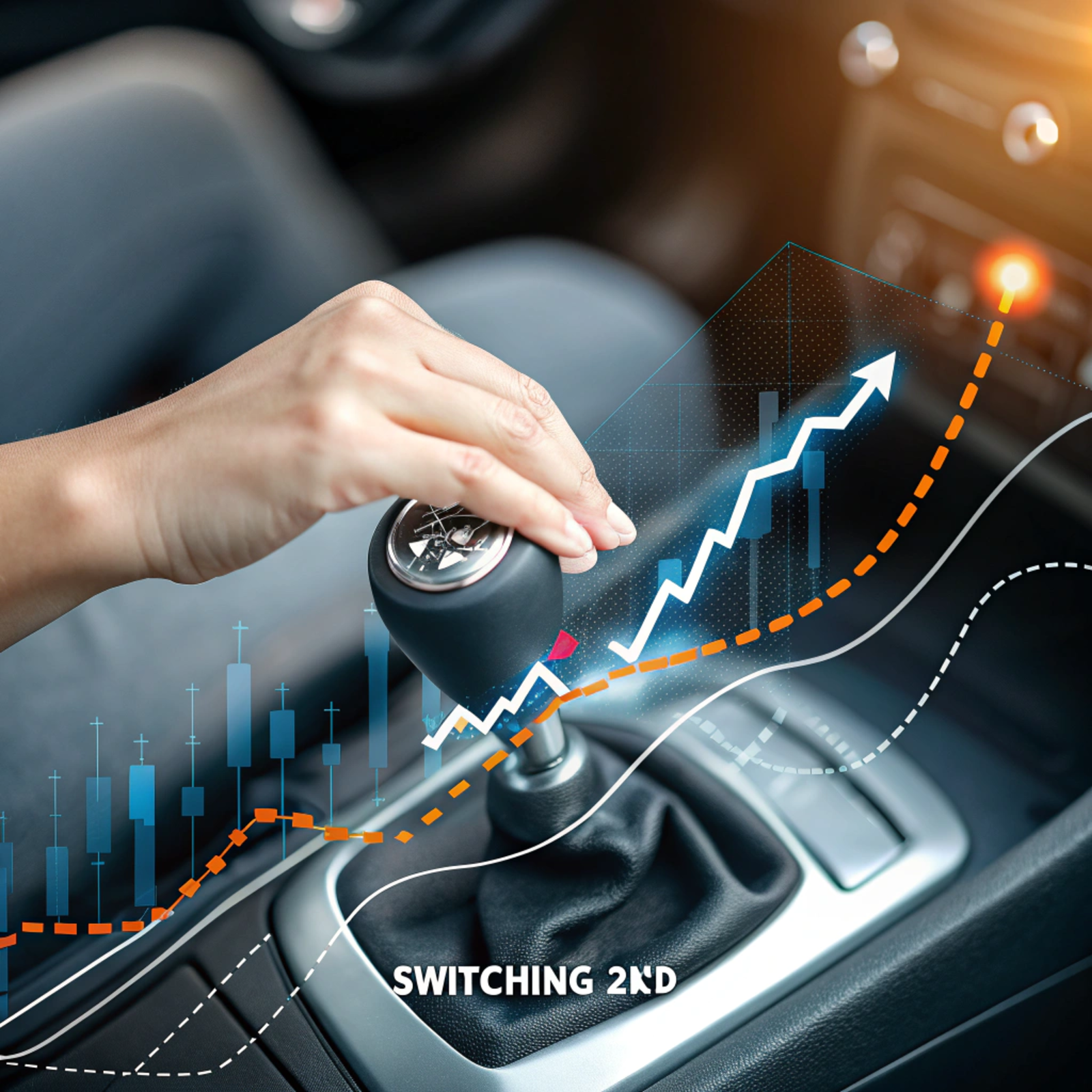
In driving, switching to 2nd gear is one of the most essential transitions. Starting in first gear gives your car the initial push, but staying there too long can reduce efficiency or even damage the engine.
Switching to 2nd gear at the right moment provides:
- Better control of speed
- Smooth acceleration
- Reduced engine strain
- Improved fuel efficiency
This real-world example reminds us that timing and awareness are crucial in all transitions — whether on the road or in life.
Switching 2nd in Sports: Strategy and Adaptability
Athletes and coaches often rely on switching 2nd strategies to stay ahead of opponents. In sports, it’s not just about physical performance — it’s about adaptability and awareness.
Here’s how it looks in action:
| Sport | Role of Switching 2nd | Example |
|---|---|---|
| Basketball | Transitioning into a 2nd defensive role | A guard covering another player after a screen |
| Football | Changing strategies mid-game | Switching from a pass play to a running play |
| Tennis | Serving a safer second serve after a fault | A more controlled, less risky backup serve |
Athletes who master switching 2nd demonstrate mental flexibility and tactical intelligence, giving them an edge over their competition.
Switching 2nd in Business and Career
In the business world, switching 2nd can be the difference between failure and success. Markets change fast, and businesses that cling to their first plan often fall behind.
Switching 2nd in business means adapting to new strategies, technologies, or audiences when the initial plan doesn’t deliver.
Examples include:
- Changing a marketing campaign after poor performance
- Pivoting from one product idea to another
- Adjusting leadership or communication strategies
Successful businesses like Netflix, Apple, and Tesla have all shown the power of “switching 2nd” — evolving and innovating when the market demanded change.
The Psychological Power of Switching 2nd
Beyond strategy and mechanics, switching 2nd has a strong psychological impact. It reflects resilience and emotional intelligence — the ability to stay calm, adapt, and keep moving forward despite setbacks.
People who know how to switch 2nd:
- Recover faster from failure
- Avoid burnout
- Maintain motivation
- Keep pursuing their goals even when plans change
In short, switching 2nd is about knowing when to let go of what’s not working and move toward what will.
Switching 2nd in Technology and Systems
In technology, the concept of switching 2nd is everywhere — especially in systems that require backup, safety, or load balancing.
For example:
- Computers switch to backup servers when the main one fails.
- Smartphones automatically switch 2nd from Wi-Fi to mobile data.
- Power grids shift to alternate lines during an outage.
This principle ensures efficiency, security, and continuity, proving that switching 2nd isn’t just human — it’s fundamental to intelligent systems too.
Benefits of Switching 2nd
Whether you’re a driver, athlete, business owner, or student, switching 2nd comes with clear benefits:
| Field | Benefit | Example |
|---|---|---|
| Driving | Smoother performance and fuel efficiency | Prevents stalling or engine damage |
| Sports | Tactical flexibility | Adjusts play to opponent’s moves |
| Business | Market adaptability | Plan B ensures steady growth |
| Technology | System stability | Seamless backup activation |
| Psychology | Resilience and focus | Keeps motivation alive after setbacks |
These examples show that mastering this skill can improve both practical performance and mental strength.
Common Mistakes When Switching 2nd
Even though switching 2nd offers major advantages, it can go wrong if done incorrectly.
Common mistakes include:
- Switching too early: Acting without enough data or experience.
- Switching too late: Missing the right timing, leading to inefficiency or burnout.
- Lack of preparation: Changing plans without a clear backup strategy.
To avoid these pitfalls, remember: timing + awareness = successful transitions.
How to Master the Art of Switching 2nd
Like any skill, switching 2nd takes awareness and practice. Here’s how you can master it:
- Recognize the right moment to switch. Don’t wait until failure — act when momentum starts to slow down.
- Stay flexible. Be willing to adjust rather than clinging to a single plan.
- Analyze and learn. Review past experiences to know what triggers successful shifts.
- Prepare backup options. Always have a secondary plan ready to activate.
- Stay calm and consistent. Don’t panic when change happens — adapt confidently.
By applying these steps, you’ll build the confidence to make timely, effective switches in any part of life.
Conclusion: Why Switching 2nd Matters
Switching 2nd isn’t just about gears, sports plays, or business plans — it’s a universal concept that represents growth, adaptability, and resilience. From cars changing gears and athletes shifting tactics to companies pivoting strategies, switching 2nd keeps things moving smoothly and efficiently.
Mastering this mindset helps you stay ahead in a fast-changing world. The ability to recognize when and how to switch 2nd can transform your performance, mindset, and success — both personally and professionally.
Visit Theinstanderofficial.com