In the rapidly evolving digital world, transactional decentralized systems, commonly abbreviated as transds, are emerging as transformative technologies set to revolutionize how we conduct online transactions and manage data. It leverage the principles of decentralization and blockchain technology to enable secure, transparent, and efficient peer-to-peer interactions without relying on traditional centralized intermediaries. Lets explores it in depth, explaining their workings, benefits, real-world applications, challenges, and future trends, delivering a comprehensive understanding suitable for readers and SEO purposes targeting the keyword “transds.”
What Are Transds?
Transactional decentralized systems (transds) are distributed networks where transactions and data exchanges occur directly between users or nodes, without a central authority overseeing or validating those actions. These systems employ blockchain technology or similar distributed ledger technologies (DLTs) to record transactions immutably across many participants, ensuring data integrity, security, and transparency. By removing intermediaries such as banks, payment processors, or centralized servers, transds reduce costs, enhance privacy, and increase resilience against single points of failure.
How Do Transds Work?
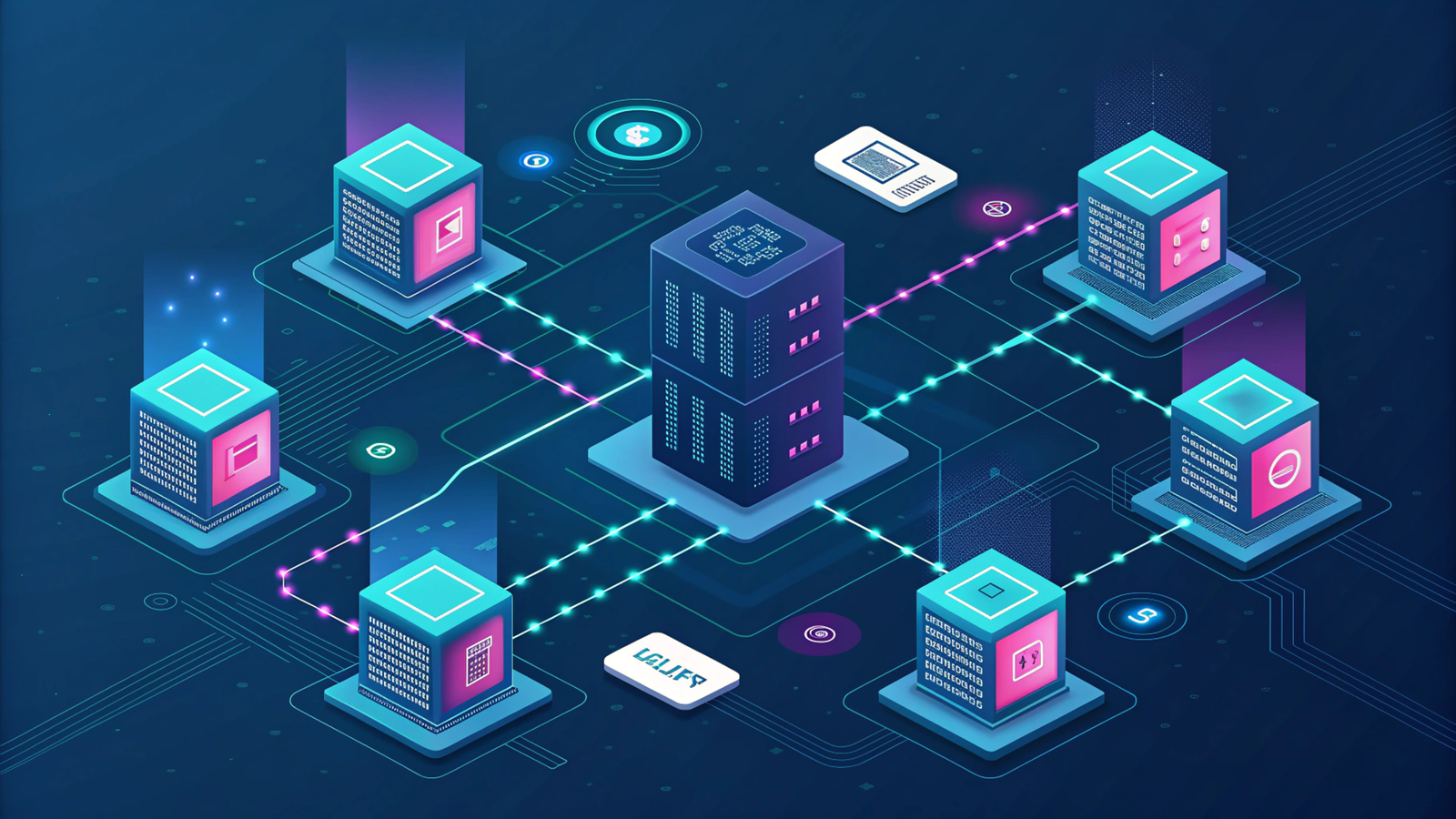
At the core of transds is decentralization — distributing control and verification among a network of independent participants, often called nodes. When a transaction takes place in a transd system, it is broadcasted to all nodes, which then verify its validity through consensus algorithms like proof-of-work, proof-of-stake, or newer mechanisms tailored for efficiency and scalability. Once verified, the transaction is bundled into a block, cryptographically linked to previous blocks, creating an immutable chain visible to all network participants.
This design ensures that altering any individual transaction retroactively requires recalculating and validating every subsequent block — an almost impossible compute-intensive task — thereby securing the system against tampering and fraud. Furthermore, since every node holds a copy of the ledger, the system remains operational even if some nodes go offline or behave maliciously.
Key Features and Benefits of Transds
Security and Transparency: The distributed ledger in it offers unparalleled security, as all transactions are encrypted and visible to participants, fostering trust without requiring users to trust a central authority.
Privacy and Control: Users retain greater control over their data and assets, with cryptographic techniques ensuring privacy while allowing transaction verification.
Cost Efficiency: Eliminating intermediaries reduces transaction fees and settlement times, essential for micro-transactions and high-frequency trading scenarios.
Improved Resilience: Decentralized networks resist outages and attacks better than centralized systems, as no single failure point causes total disruption.
Automation and Smart Contracts: Many transds support programmable contracts that automatically execute actions based on transaction conditions, facilitating complex business logic without manual oversight.
Applications of Transds
Finance: The financial sector benefits significantly from it in decentralized finance (DeFi), where loans, trade settlements, and asset management occur peer-to-peer, bypassing banks and brokers.
Supply Chain Management: It enable transparent tracking of goods from origin to consumer, enhancing accountability and reducing counterfeit risks.
Healthcare: Distributed records improve patient data security and interoperability between providers without compromising privacy.
Gaming and Digital Assets: It underpin non-fungible tokens (NFTs) and decentralized gaming economies, creating new ways for users to own and trade digital goods securely.
Government and Voting: Transparent and tamper-proof record-keeping provided by transds can modernize electoral systems and public record management.
Real-World Impact and Adoption
Numerous industries are adopting the transd model, witnessing measurable improvements in efficiency and trust. Global banks integrate blockchain-based clearing to reduce cross-border transaction times from days to minutes. Organizations employ supply chain transds to verify ethical sourcing, promoting sustainability. Emerging digital identity platforms utilize decentralized registries to empower individual data sovereignty.
Challenges and Limitations
Despite their promise, transds face challenges such as scalability, energy consumption (notably in some blockchain consensus mechanisms), regulatory uncertainties, and the need for user-friendly interfaces to facilitate widespread adoption. Efforts continue to develop scalable solutions like layer-2 protocols, energy-efficient consensus methods, and regulatory frameworks balancing innovation with consumer protection.
Future Trends and Outlook
The future of transds is promising, with anticipated advancements integrating artificial intelligence for predictive analytics, interoperability between different blockchain networks, and integration of satellite and mesh networks for global decentralized connectivity. As technology matures and regulatory landscapes stabilize, transds are poised to redefine trust, transparency, and transactional efficiency across sectors.
Conclusion
Transactional decentralized systems (transds) represent a major technological leap that combines decentralization, blockchain, and smart contracts to revolutionize how transactions and data management occur online. By enhancing security, transparency, and efficiency while reducing reliance on intermediaries, transds offer a compelling framework for the digital economy’s future. Understanding and embracing transds today prepares individuals and organizations for a more secure, autonomous, and interoperable tomorrow.
Visit Theinstanderofficial.com