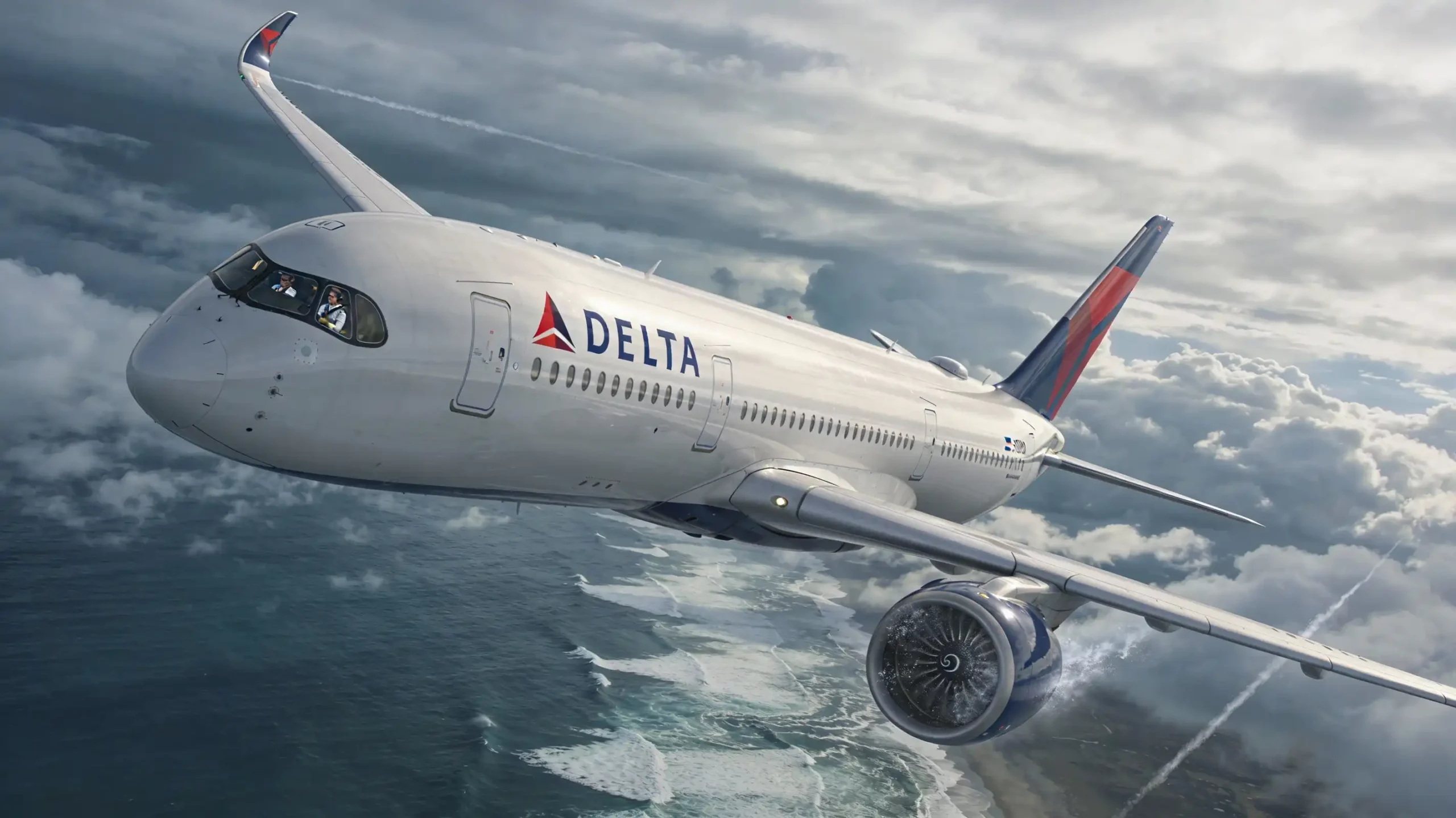
On May 28, 2025, Delta flight dl275 diverted laxwas diverted to LAX, turning a routine flight from Detroit to Tokyo into a news story. Though there were no injuries, it resulted in quick reactions from the pilots, as well as from the airlines. It was an event that drew a lot of attention, particularly since it had a lot of passenger communication that was posted in real-time throughout the flight.
Flight Background
Long-haul flights from Detroit Metropolitan Airport (DTW) to Tokyo Haneda (HND) are a part of the Delta Flight DL275 service. It’s an A350-900 model, registration N508DN; it takes hundreds of passengers across the Pacific Ocean. These flights operate on a strict schedule, but there are always factors such as weather or technical issues that can affect these plans.
The Diversion Moment
While the flight was mid-air and 38,000 feet up, the crew noticed the engine’s anti-ice system had failed and had to turn around. That engine was a Rolls-Royce Trent XWB and it was located 620 nautical miles southwest of Anchorage. The pilots made the right call in deciding to turn back, since there were no other options that truly kept the passengers safe.
Why Landing at LAX Made the Most Sense
Because the A350 is one of the large models, it requires one of the larger airports, Los Angeles International Airport (LAX) has the best facilities of any of the Delta support and repair stations. Furthermore, the location of LAX made it the closest large airport to the flight. The emergency staff were also able to manage the diversion seamlessly, as they do with all diversions, to alleviate the risk to those on board.

Timeline of Events
The flight took off from DTW on May 28, 2025. A few hours later, over the Pacific, the alerts triggered the diversion call. After 12 hours of flight, the plane landed at LAX at 1:08 AM local time.
| Time (Local) | Event | Details |
| Morning, May 28 | Departure from DTW | Airbus A350-900, full load of passengers |
| Mid-Pacific | Issue Detected | Engine anti-ice system fault |
| Evening | Course Changed | Diverted west to LAX |
| 1:08 AM, May 29 | Safe Landing | No injuries reported |
| Post-Landing | Passenger Aid | Rebooked flights, hotels provided |
Technical Cause Explained
The anti-ice system prevents the buildup of ice on plane engines during the flight. A fault in the anti-ice system could lead to performance drops or safety risks in the clouds. The crew followed their checklists to shut the system down safely and monitor other systems.
Passenger Stories Emerge
They shared live updates in the cabin. Some shared worries while others praised the crew. One noted their calm handling while there was uncertainty as to what was going on. These updates spread the fastest, and as the plane landed, most people felt relieved while others were concerned.
Social Media Explosion
Two of the most popular and fastest growing platforms are X and Reddit. Users began to search “delta flight dl275 diverted lax” and quickly created the “delta flight dl275 diverted lax” hashtag. Users speculated on the causes and shared tips. There were many videos from the landing and many of them got thousands of views overnight.
Delta’s Quick Response
The airline was one of the first to respond to this as they said the event happened and safety protocols were followed. The team on the ground met the arriving plane for medical checks and medical transport. They immediately began to rebook the ones who had connections to Tokyo.
Investigation Now Underway
This time, experts from the NTSB and other bodies, will have to pursue and answer details of the anti-ice system fault and the maintenance logs. Such investigations are helpful to avoid recurrence on other planes in the fleet.
Effect on Passengers
Travelers suffer from delays the most, with some passengers stuck overnight. Delta flight dl275 diverted lax provided coverage on hotels, meals, and new ticket purchases. Most passengers reached Japan within a day and appreciated the support.
Aviation Safety Lessons
The fact that the plane was diverted demonstrates that training does pay off in emergencies. The system redundancy on modern aircraft worked in this case. The data collected from this flight will continue to improve the system.
Wider Context Relevant to the Industry
Fleet-wide technical scans are a consequence of infrequent but very impactful engine problems. Airlines are attempting to provide a balance between long-haul journeys and short-term mitigations.
The Role of Social Media
The rapid and live stream of information today is at the core of the news, long before there is a press release. When truthful, and when the tone is calm, the information is helpful. But fact-checking is often needed.
What Will Happen Next
Before the plane flies again, it has to undergo a detailed inspection at LAX. As a gesture of goodwill, passengers will receive miles or a refund. Full reports are typically a long process and will take months.
2025 Aviation Updates
In late 2025 schedules, DL275 diversions will show no new diversions. The FAA will implement anti-ice tech updates this year. Overall, Delta continues to show strong safety statistics.
This incident serves as a reminder that aviation values lives, not timetables. A prompt decision ensured everyone’s safety, while the online frenzy illustrated the public’s appetite for travel updates. Improvements will be made from these incidents.
For Regular Update Visit The Instander Official