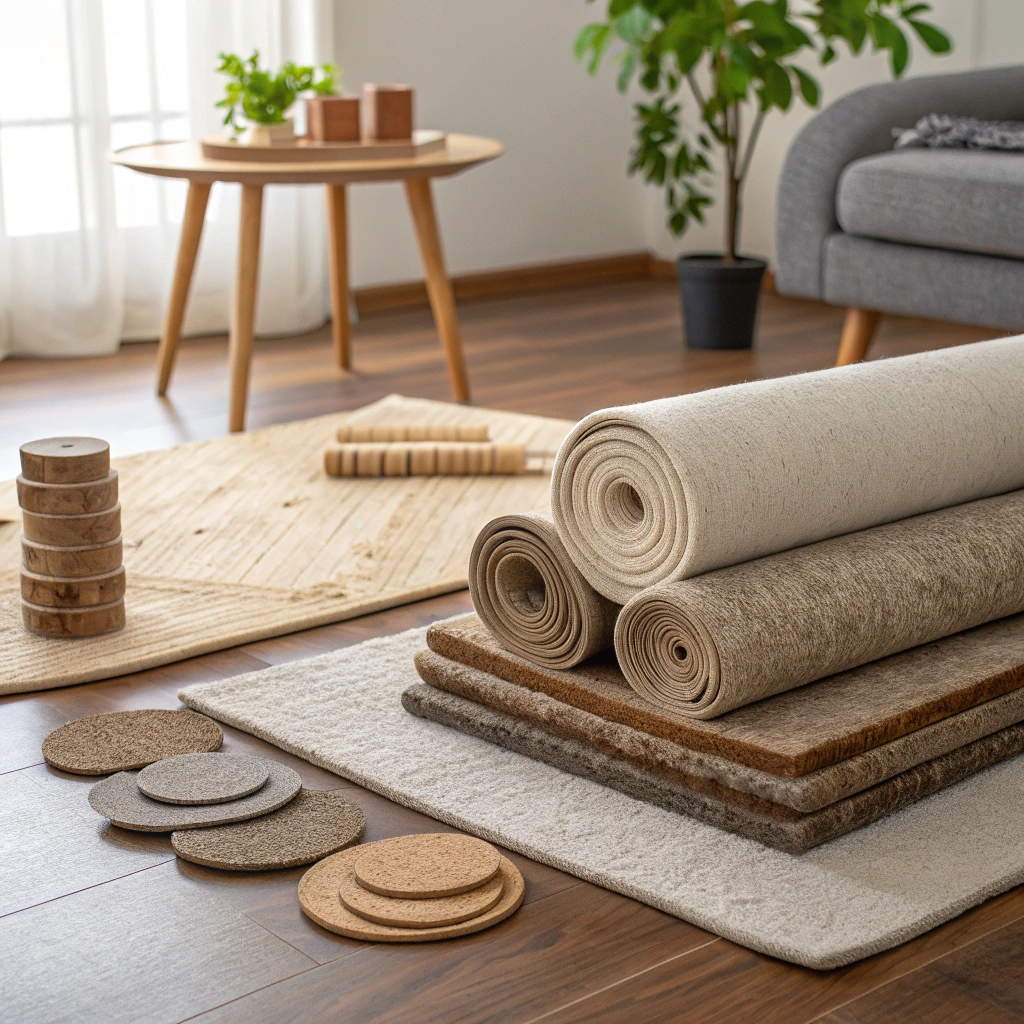
Wollmatten, or wool felt mats, are natural, eco-friendly mats made from compressed wool fibers. Known for their durability, insulation, and versatility, Wollmatten have a long history and are increasingly favored in a variety of applications—from home décor to industrial soundproofing. This comprehensive guide explores what Wollmatten are, how they are made, their advantages, and practical uses in 2025.
What Are Wollmatten?
Wollmatten are mats created by pressing and felting wool fibers into dense sheets. The felting process involves matting the wool fibers together without weaving, using moisture, heat, and pressure to create a sturdy, flexible fabric. These mats can vary in thickness, texture, and density depending on their intended use. They may be made from untreated natural wool, recycled wool, or sometimes blended with synthetic fibers for enhanced properties.
Wool felt mats have a natural resilience and softness, making them ideal for cushioning, insulation, decoration, and industrial uses.
Types of Wollmatten
- Natural Wool Felt Mats: Made from 100% untreated wool, prized for natural warmth, softness, and sustainability.
- Colored Wool Felt Mats: Dyed with plant-based or eco-friendly dyes for decorative purposes while maintaining eco-values.
- Industrial Wool Felt Pads: Denser and thicker mats designed for vibration damping, soundproofing, and machinery cushioning.
- Craft and Decorative Felt Mats: Lighter, thinner mats used in upholstery, crafts, art projects, and interior decoration.
Each type serves specific industries, offering tailored thickness, durability, and aesthetics.
Benefits of Wollmatten
Excellent Thermal Insulation
Wool’s natural fiber structure traps air efficiently, providing insulation against both heat and cold. Wollmatten are an excellent choice for floor underlays, wall insulation, or protective layers, improving energy efficiency in buildings.
Superior Sound Absorption
Wollmatten absorb sound waves, helping eliminate noise pollution in residential, commercial, or studio environments. The density and texture of wool felt reduce echoes and ambient noise effectively.
Moisture Regulation
Wool uniquely absorbs significant moisture while remaining dry to the touch. It releases moisture slowly, preventing mildew and maintaining healthier indoor air quality.
Durability and Resilience
These wool felt mats resist flatting and wear. Even under heavy use, they bounce back to their original shape, offering long-lasting performance.
Eco-Friendly and Sustainable
Wool is a renewable and biodegradable material. Using Wollmatten supports eco-conscious living by utilizing natural resources without harmful chemicals or synthetic additives.
The Manufacturing Process of Wollmatten
The production of Wollmatten combines traditional textile craftsmanship with modern innovations:
Sourcing and Cleaning
Raw wool is sourced mostly from sheep farms, often utilizing lower-grade or recycled wool that is unsuitable for garments. The wool undergoes thorough cleaning to remove dirt, debris, and lanolin, ensuring purity.
Carding
The cleaned wool fibers are aligned and detangled through a carding process. Carding produces a uniform web of fibers, which can then be layered to the desired thickness.
Felting and Mat Formation
Multiple wool layers are steamed and pressed to activate the natural scales on the fibers, which lock together when agitated through heat and moisture. In industrial settings, needle-felting machines or presses compress the fibers into dense, uniform mats.
Some manufacturers may add natural binders or oils to enhance durability, water resistance, or protect against moth infestation.
Finishing and Cutting
The felt sheets are cut into specified sizes and shapes. They may be dyed with natural, eco-friendly dyes. Additional finishing treatments ensure consistent thickness and texture across the mat.
Common Applications of Wollmatten
- Home Flooring and Rugs: Provide soft, warm underlays or standalone decorative mats.
- Furniture Padding: Used in upholstery to cushion furniture or protect surfaces.
- Soundproofing: Employed in homes, studios, theaters, and offices for noise reduction.
- Crafts and Art: Used extensively for placemats, coasters, wall art, and DIY projects.
- Automotive and Industrial Uses: Cushioning, vibration damping, and insulation in machinery and vehicles.
- Gardening and Landscaping: Protective ground covers and erosion control mats.
How to Choose the Right Wollmatte
Deciding on which Wollmatte to use depends on your application:
- For heavy foot traffic or industrial use, opt for thick, dense mats.
- For decorative purposes, lighter colored or dyed mats offer aesthetic flexibility.
- Consider water resistance and treatment if used in moist environments.
- Verify dimensions and thickness to fit specific furniture or craft projects.
Care and Maintenance
Maintaining Wollmatten is straightforward:
- Vacuum regularly to remove dust and debris.
- Spot clean with mild soap and cold water; avoid harsh chemicals.
- Avoid machine washing unless specified, as strong agitation can damage the felt.
- Store rolls or folded mats in dry, moth-free environments.
With proper care, Wollmatten can last for years without losing their shape or utility.
Conclusion
Wollmatten are remarkable natural mats offering warmth, sound absorption, durability, and sustainability. From interior design and crafting to industrial applications, their versatility makes them a preferred material in 2025 and beyond. Understanding their manufacturing process and tailoring your choice to specific needs ensures you benefit fully from this eco-friendly and highly functional product.
Visit Theinstanderofficial.com