Across the globe, the clean energy revolution is taking place, spearheaded by solar energy and HMS Photovoltaik, who provide the most innovative solutions to the industry. This paper examines how HMS Photovoltaik breaks barriers in the photovoltaic sector by combining the elements of effectiveness, sustainability, and affordability. It elaborates how this combination is used to provide a solar solution that benefits all stakeholders.
What Is HMS Photovoltaik
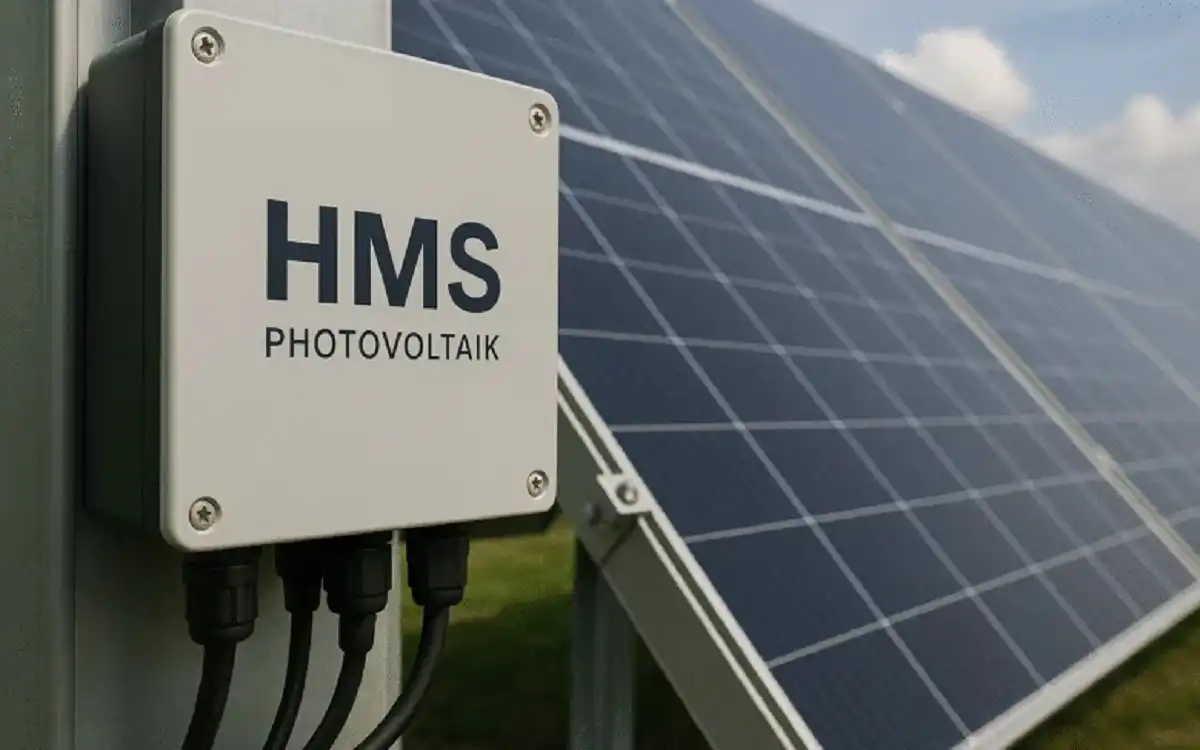
HMS Photovoltaik refers to state-of-the-art photovoltaic systems that are expertly engineered to capture and convert solar energy at optimum levels. These systems consist of high-efficiency solar panels, smart inverters, and integrated storage that helps in maximising output at all times. HMS Photovoltaik was born out of innovative engineering that focused on modular design. This allows HMS Photovoltaik to be applicable to residential, commercial and industrial.
The Global Increase in Solar Energy
To achieve net-zero emissions globally by the year 2050, solar power is crucial. With record-breaking installations predicted in 2025, the demand is being driven by public policy, falling prices for solar panels, and demand predicted to exceed 500 megawatts for annual panel installations. The demand is also tailored for HMS Photovoltaik because we provide innovative solutions to clients, and increase the demand for distributed solar power.
Core Technologies Used in HMS Photovoltaik
For the most part, HMS Photovoltaik uses monocrystalline silicon solar panels with a level of efficiency above 22% for most of our installations. He also uses smart inverters that optimise the flow of energy and therefore minimise the energy losses caused by the conversion of DC to AC. He also uses integrated batteries that are able to provide energy for 24/7, even during cloudy days. He also integrates batteries that provide energy to the system for 24/7, even during cloudy days.
Innovations in Solar Power Technology
HMS is configuring solar panels with anti-reflective coatings and bifacial designs, which allow the capture of light from both sides of the panel. There is a 30% rise in yield in reflective environments such as snowy landscapes and white roofs. Durability against hail and wind can reach IP68 ratings.
Advancements in Inverters
Inverters can predict output and weather by using artificial intelligence. There are hybrid models that can seamlessly switch between grid and off-grid. They achieve 98\% efficiency, a far cry from older models.
Updates and New Products in 2025
At the end of 2025, HMS Photovoltaik offers version 3.0, which contains a new generation of perovskite tandem cells that propel efficiency to 28\%. New firmware has been updated to allow for IoT connection for apps that allow remote monitoring. The company has also expanded into developing countries such as India and Africa and has localised its manufacturing for lower costs.
Benefits for Homes and Businesses
HMS Photovoltaik setup allows homeowners to save 70\% on their electricity costs in a span of 5 years. Companies are able to achieve energy independence, which lowers operating costs when grid prices are high. Incentives are present, which lower payback periods to 4 – 6 years.
Sustainability
Throughout their lifetime, the HMS Photovoltaik systems have the potential to save 90 tons of carbon emissions per megawatt, which is attributable to the recyclable materials that are used to minimise waste. They also meet the requirements for the UN Sustainability Goals, which aid in the global advancement of such systems.
Feature Comparisons
| Feature | HMS Photovoltaik | Standard PV Systems | Efficiency Gain |
| Panel Efficiency | 22-28% | 18-20% | +25% |
| Inverter Efficiency | 98% | 95% | +3% |
| Storage Integration | Built-in | Add-on | Seamless |
| Warranty | 30 years | 25 years | +5 years |
| Monitoring | Real-time App | Basic | Advanced |
Cross-Industry Applications
Residential Use
Whole-house energy is generated from compact rooftop systems that can be installed on a wide variety of structures. The excess energy can be supplied back to the grid in exchange for credit.
Perfect fit for urban dwellings with mounts for balconies.
Commercial Developments
HMS Photovoltaik handles office buildings for deploying daytime peaks and peak tariff removal. Ground-mount arrays are vast for warehouse coverage.
Industrial Grade
Factories integrate systems to offset the loads of heavy machinery. Unused sea spaces are taken by offshore floating arrays.
Cost Assessment and ROI
Initial price ranges from $1.50-2 per watt and declines by 15% in the year 2025 due to optimizing the supply chain. Tax credits among other incentives increases the annual ROI to 20%. For a 10kW system, long-term savings are over $50,000.
Obstacles and Strategies
Hurdle intermittency with sophisticated batteries from HMS Photovoltaik. Units are 10kWh. High initial costs are a deterrent, but 20-year financing options are available. Supply chain problems are resolved with varied sourcing.
Expansion in the Global Market
HMS Photovoltaik partners in the Asia-Pacific in 2025 for the first time, with a goal of 100GW. Europe is retrofitting. The US agrivoltaics, solar + farming.
Innovative Developments on the Horizon
Quantum dot technology for 35% by 2030. AI predictive maintenance will reduce downtime 50%. Pioneering flexible panels for vehicles and wearables is HMS Photovoltaik.
Smart Grids Integration
Demand-response smart grid synchronisation from HMS Photovoltaik stabilises. Solar stored energy from EVs can be shared with the grid with vehicle-to-grid technology.
This fosters resilient energy ecosystems.
Illustrative Case Studies
A 5MW German solar farm received 20% higher crop yields by growing food under the solar panels for agrivoltaics. An electrified Indian village achieved diesel-free energy. U.S. warehouses (probably due to the COVID-induced supply chain disruptions) documented 40% reductions in energy expenditures.
Anticipated Regulatory Support in 2025
The U.S. Inflation Reduction Act (2022) (which incentivises solar in 2022-2032) will be extended to 2032. New European Union regulations require at least 40% solar (which will promote HMS Photovoltaik) on new construction. India’s production-linked (PLI) scheme subsidises domestic manufacturing.
System Longevity
The system’s dynamic self-healing coatings resist degradation. Annual cleaning (which can be done at under a $200) is covered by the 30-year warranty (which is offered on 85% output retention).
Conclusion
HMS Photovoltaik solar systems are a solar industry game changer that brings innovative and user-friendly technology to strike a better balance, designed for cost, efficiency, and eco-friendliness. HMS will undergo substantial industry transformation in 2025. Adoption will increase, and stakeholders (homeowners, governments, and everyone in between) will realise the benefits, along with the planet, to become sustainable.
For Regular Update Visit The Instander Official